Central venous catheter tip positioning with an ECG machine. It may be used to place PICC lines, implantable ports, short term CVCs or cuffed catheters.
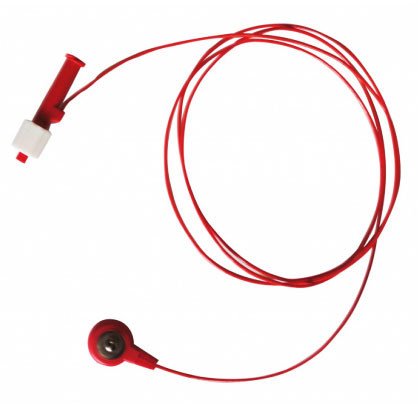
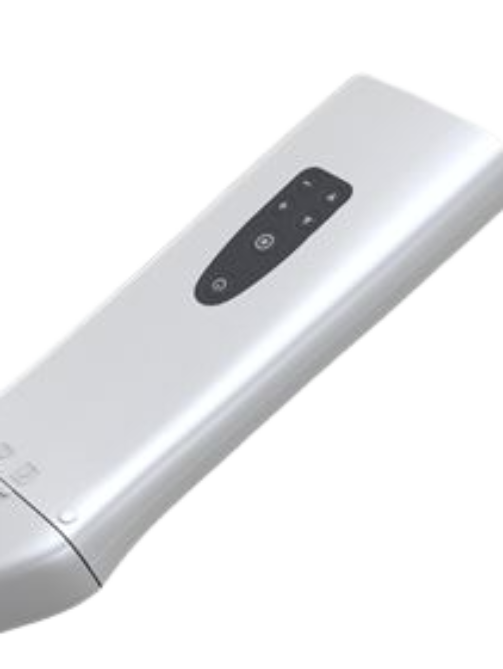
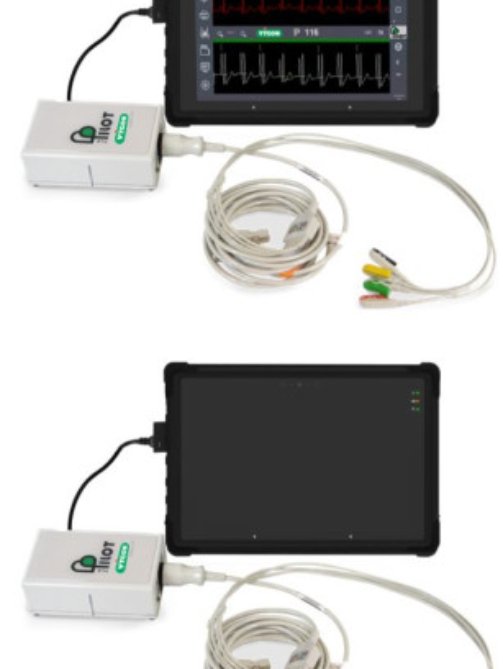
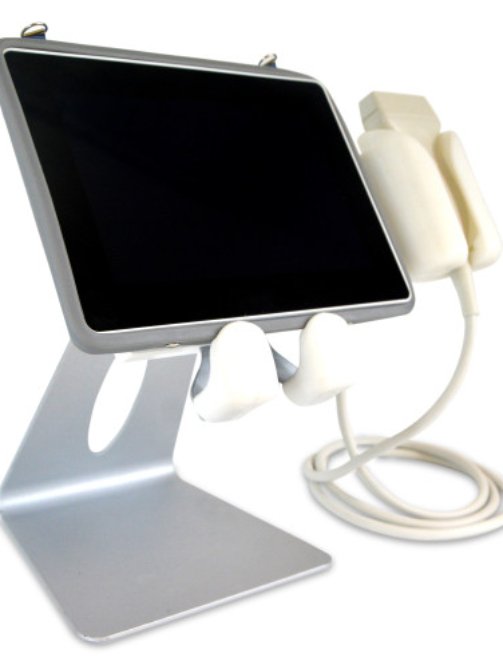
Vygocard 2 is an intracavitary ECG lead system for non-radiographic, real-time control of the position of the distal end of a central venous catheter.
The main advantage of this method compared to the radiologic one, is the absence of patient irradiation. Vygocard 2 acts as an intracavitary electrode which transmits an electric signal thanks to a column of saline solution. The distal end of the catheter replaces and becomes a surface electrode. Thus the variation of the morphology of the P wave can be analysed in real time during the placement of the catheter. This variation of morphology is correlated with the position of the distal end of the catheter. A maximal amplitude of the P wave means that the catheter has reached the junction between the superior vena cava and the right atrium. If the catheter features a diameter equal or superior to 3Fr, the intracavitary ECG method can be used for any type of central venous line in order to adjust its position at the cava-atrial junction.
NB:
A negative deflection before the P wave indicates that the catheter has been inserted too deeply and that the distal tip is within the right atrium of the patient.
This technique is difficult to use in patients with a pace-maker in permanent stimulation and in case of atrial fibrillation.


Reviews
There are no reviews yet.